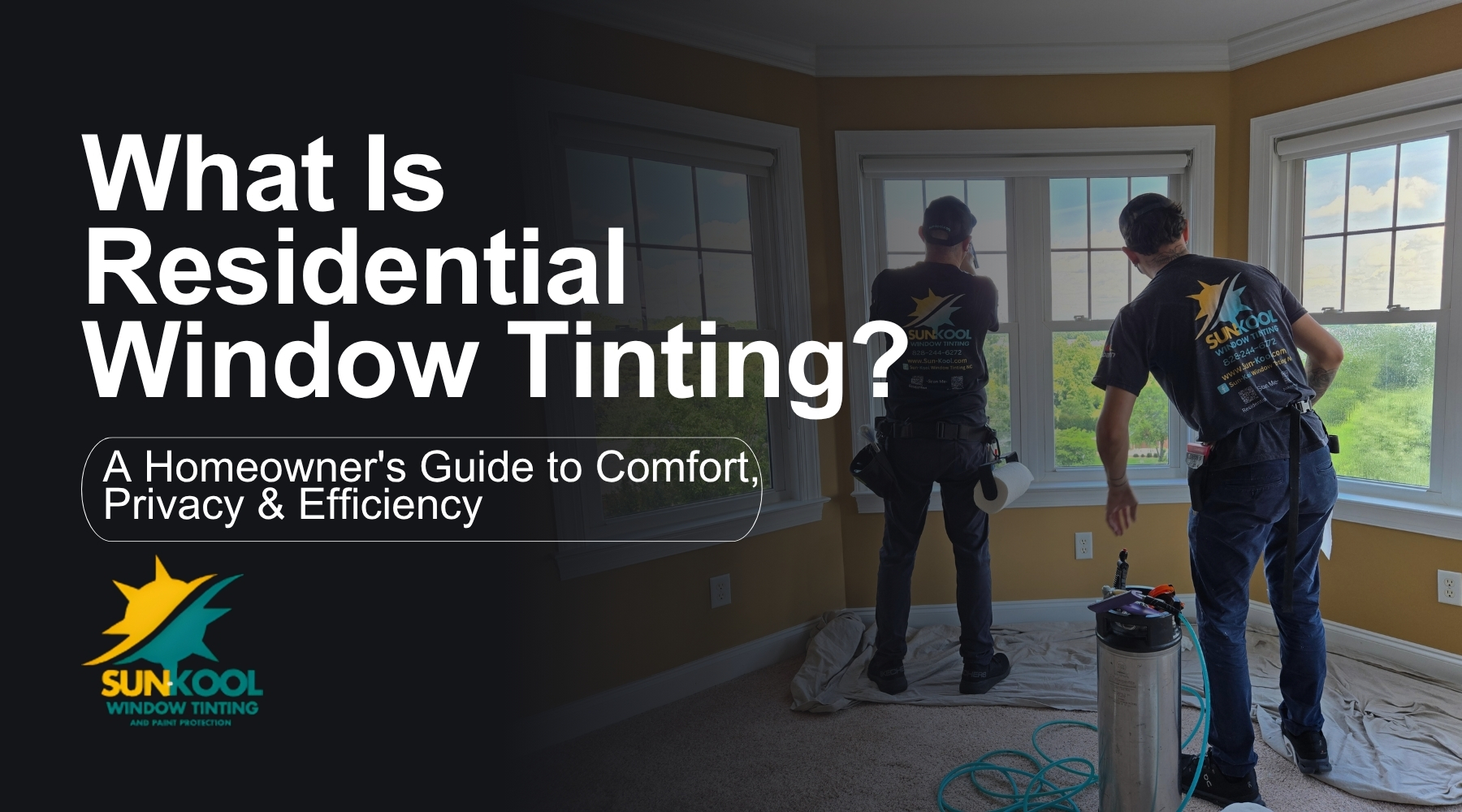
If you’ve ever battled rising energy bills, intense summer glare, or nosy neighbors peering into your home, you’ve likely asked yourself: What is residential window tinting?
Simply put, residential window tinting involves applying a thin film to your home’s interior windows to reduce heat, glare, and harmful UV rays. It’s an easy, cost-effective solution that improves comfort, increases privacy, and protects your home’s interior, without sacrificing natural light.
Let’s dive into how it works, the different types available, and why homeowners in Hickory, NC, and beyond are embracing this smart upgrade.
How Does Residential Window Tinting Work?
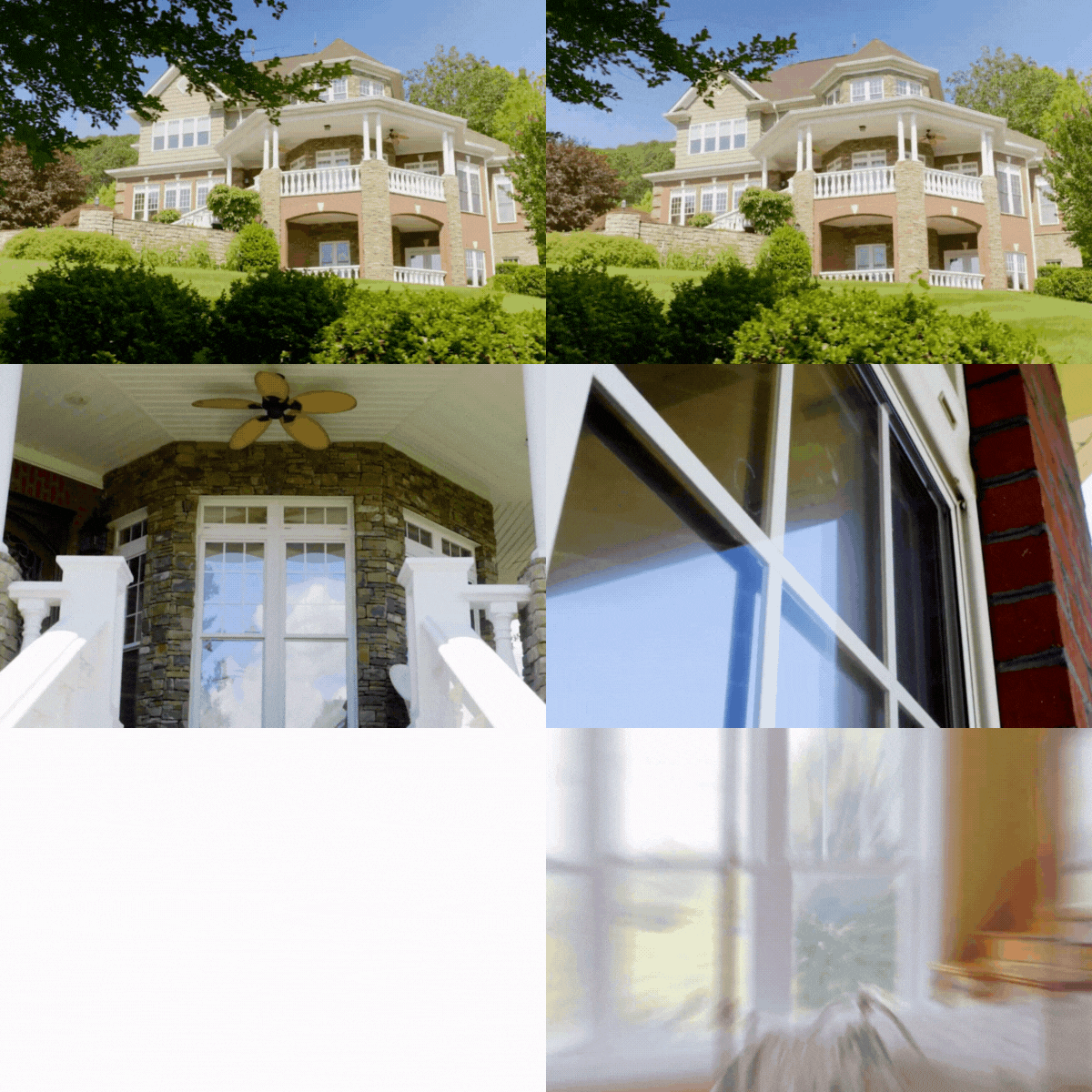
Window tinting isn’t just for cars. In homes, a transparent or tinted polyester-based film is applied to the interior surface of windows. These films are scientifically engineered with multiple layers, sometimes including metallic, ceramic, or dye-based materials, that work together to block or absorb UV rays and infrared heat, all while letting in natural light.
Here’s what happens behind the scenes:
- UV filters in the film block up to 99% of ultraviolet rays that can damage skin and fade interior furnishings.
- Infrared rejection layers help reduce heat transfer, keeping your home cooler in the summer.
- Visible Light Transmission (VLT) levels are balanced to let in daylight while reducing glare.
Unlike heavy drapes or blinds, window film maintains an open, airy feel in your rooms. Some advanced films also offer insulation, improving your home’s thermal performance by retaining warmth in colder months and reducing energy waste year-round.
Residential vs. Commercial Window Tinting: What's the Difference?
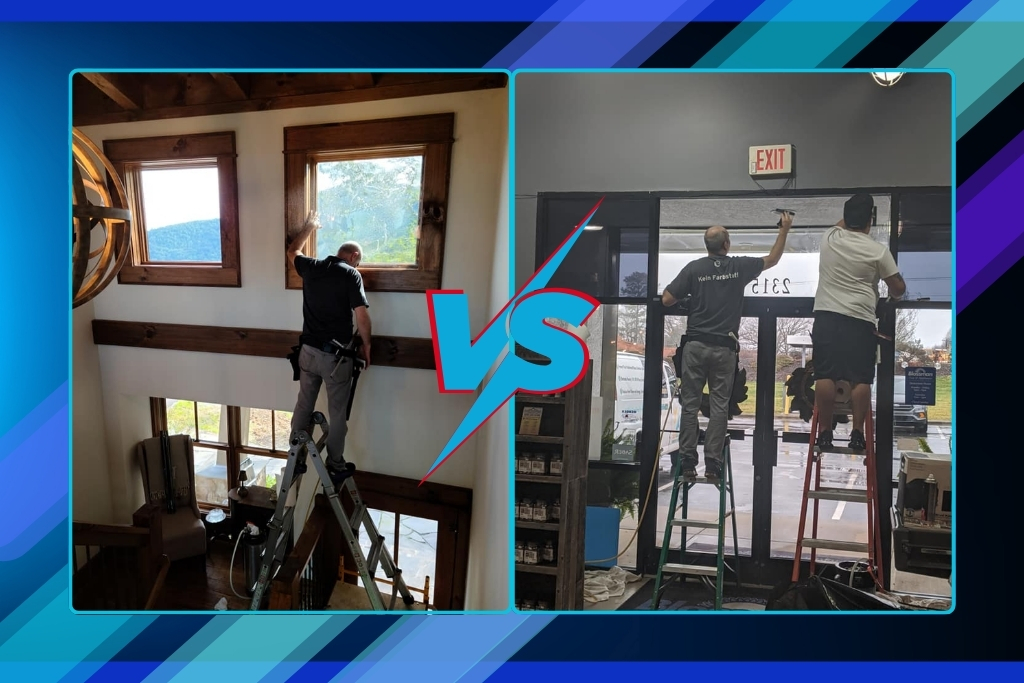
While the technology behind window films is similar, residential and commercial tinting are tailored to meet different needs and building types.
Homeowners usually prioritize aesthetics, comfort, UV protection, and privacy. Residential films tend to be less reflective, available in various tints and patterns, and designed to complement home décor. These films also address issues such as glare on TVs, fade protection for furniture, and improved insulation without darkening interior spaces.
On the other hand, commercial buildings often require films that cover large glass surfaces and enhance energy efficiency, employee comfort, and security. Commercial tinting may involve mirror-like reflective films for heat rejection, privacy in office spaces, or safety films to meet building codes and protect against break-ins or accidents.
Additionally, durability requirements can differ; commercial films may need to withstand higher traffic and environmental exposure, while residential films focus more on design flexibility and comfort.
Types of Home Window Tints
Different homes require different solutions. Here are the most common types of window film for homes:
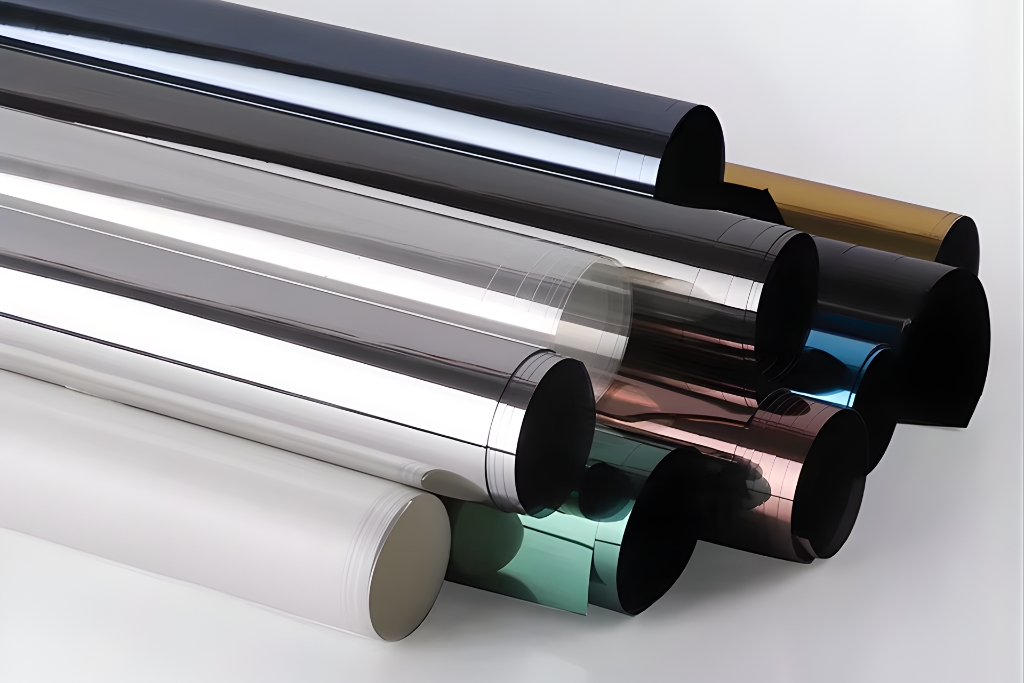
1. Solar Control Film
Designed to reject solar heat and reduce glare, residential solar window film keeps interiors cooler during summer and helps prevent HVAC overuse.
2. UV Protection Film
Blocks up to 99% of UV rays, essential for protecting furniture, flooring, and artwork from fading.
3. Privacy & Decorative Films
Privacy window tint for homes can obscure views from the outside while maintaining your indoor visibility. Decorative window tint for homes includes frosted or patterned options to enhance aesthetics.
4. Insulating and Low-E Films
These energy-efficient window films help maintain indoor temperatures year-round and can reduce energy costs.
5. Security Films
Thicker films that hold shattered glass in place during a break-in or natural disaster. Also known as safety window tint or security window film.
Key Benefits of Residential Window Tinting
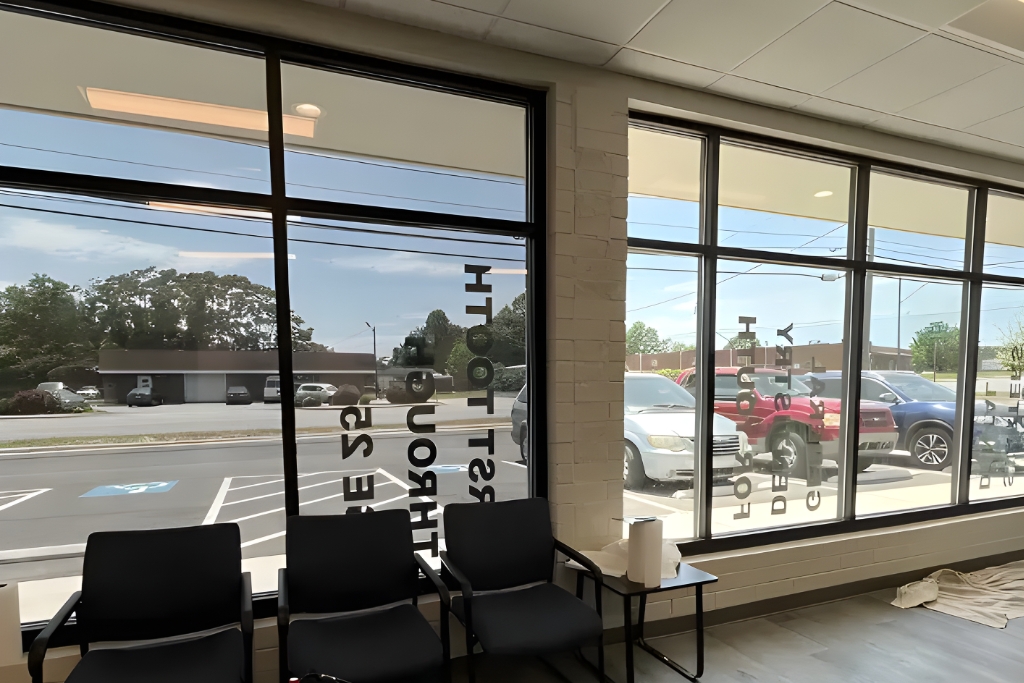
Energy Efficiency & Lower Cooling Costs
One of the biggest advantages of home window tinting is its ability to reduce heat. High-performance films can block up to 70% of solar heat, reducing your reliance on air conditioning and cutting down energy bills.
🌡️ Bonus: In colder months, insulating films help retain heat, balancing your home’s energy use year-round.
UV Protection & Furniture Preservation
Extended exposure to UV rays causes fading in furniture, hardwood floors, and artwork. UV protection window films act like sunscreen for your home, blocking harmful rays while letting light in.
Glare Reduction for a More Comfortable Home
Screen glare can make everyday tasks annoying. Glare reduction films filter intense sunlight, making it easier to work, relax, or watch TV without squinting.
Enhanced Daytime Privacy
Many homeowners choose tinted windows for privacy. Depending on the film, your windows can appear reflective or opaque from the outside, without needing heavy curtains or blinds.
Boosted Safety and Security
Whether it’s a stray baseball or a break-in attempt, security films help keep broken glass in place, preventing injuries and discouraging intruders.
Aesthetic Appeal & Home Value
From sleek, modern finishes to frosted decorative designs, window tinting can elevate your home’s look. It’s a subtle upgrade that adds value while enhancing comfort.
Addressing Common Questions About Window Tinting
How long does residential window tinting last?
With professional installation and proper care, high-quality films can last 15–25 years. Many come with manufacturer-backed warranties that cover peeling, bubbling, and fading.
Is tinting house windows illegal?
In general, residential tinting is legal, though some HOAs or local building codes may have restrictions on reflectivity or appearance. It’s always wise to check first.
Can I install window tint myself?
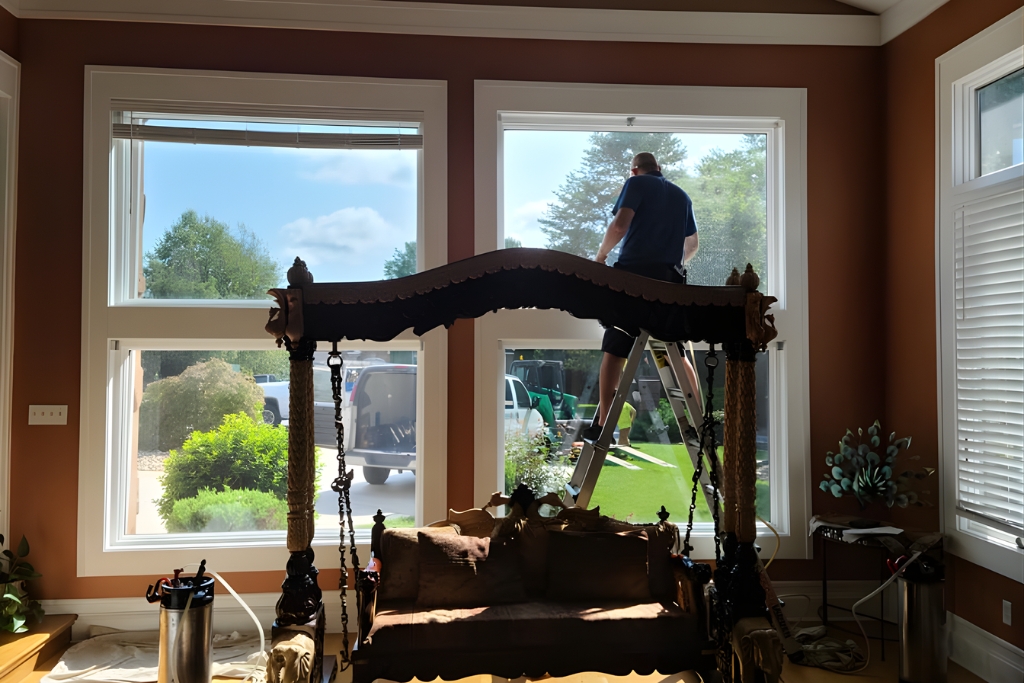
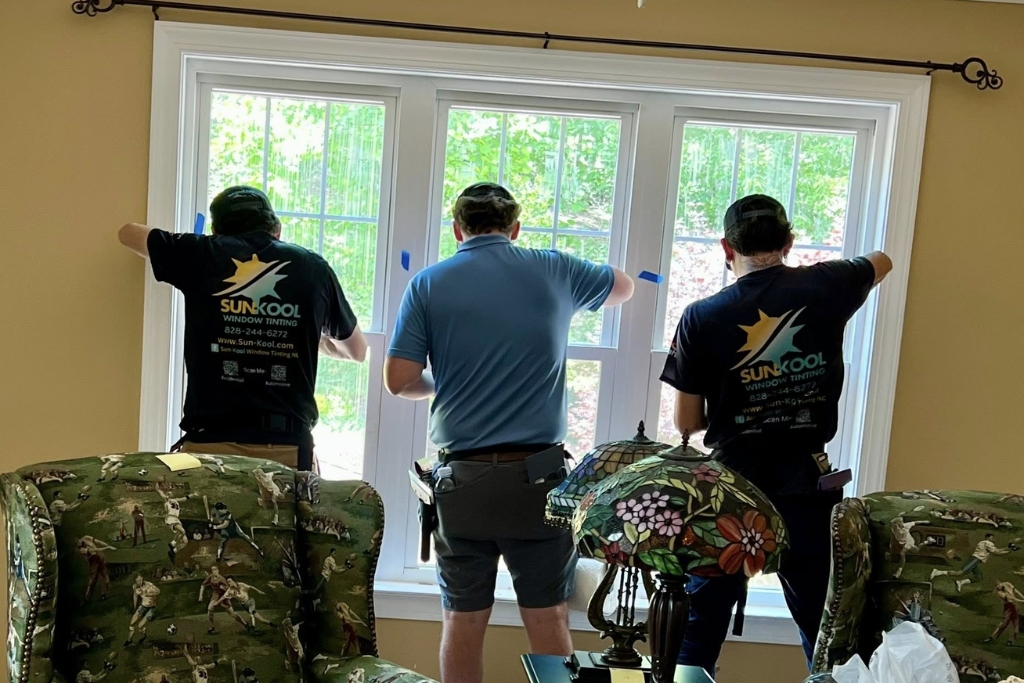
DIY window tinting kits are available, but they often lead to bubbles, misalignment, or a shorter lifespan. Professional tinting services, like those offered by Sun‑Kool, ensure clean, precise application backed by a warranty.
Why is professional installation recommended?
Certified installers understand the nuances of glass types, film compatibility, and application techniques. It’s not just about sticking on a sheet; it’s about optimizing long-term performance.
What's the Cost of Residential Window Tinting?
The cost of residential window tinting depends on several factors, including:
- Type and quality of film (e.g., ceramic, dyed, security, or decorative)
- Number, size, and shape of windows
- Installation complexity (accessibility, height, specialty shapes)
- Professional vs. DIY installation
On average, homeowners can expect to pay between $6 and $15 per square foot. Premium films with enhanced UV protection, heat rejection, or security features may push costs higher. However, professional installation ensures optimal performance and a longer lifespan, and often includes warranty coverage.
The investment pays off in the long run through reduced energy consumption, extended life of furnishings, and enhanced property value, making it a smart upgrade for most homes.
Why Homeowners in Hickory, NC Choose Sun‑Kool
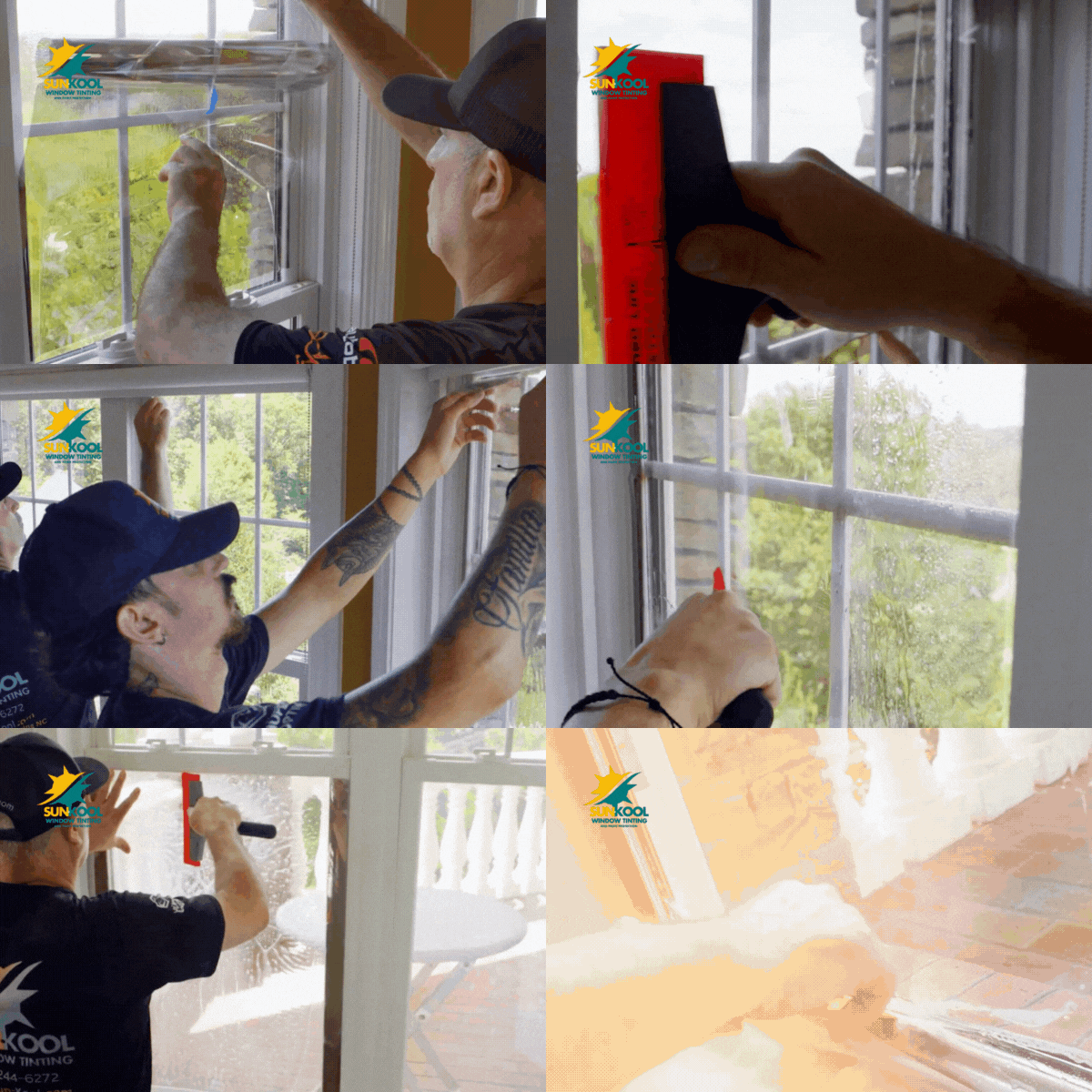
At Sun‑Kool, we’ve been serving Hickory, NC, and surrounding communities for over 20 years, providing custom residential window tinting solutions tailored to each home’s unique needs. Our team of factory-certified installers brings precision, professionalism, and a deep understanding of local climate challenges, such as intense sunlight and seasonal temperature swings.
Whether you’re looking to cut energy costs, protect interior furnishings, or enhance privacy, we help you choose the right film for long-lasting performance and style. We only use premium-grade materials and back every installation with industry-leading warranties for your peace of mind.
We believe in transparency, quality workmanship, and total satisfaction, before, during, and after the job.
📞 Ready to get started? Contact us today to request a quote or schedule your in-home consultation with one of our experts.
Final Thoughts: Is Residential Window Tinting Right for You?
What is residential window tinting? It’s more than just a home improvement; it’s an investment in comfort, efficiency, and peace of mind.
Whether you’re looking to cut down on cooling costs, shield your interiors from the sun, or boost your home’s privacy, residential window tinting is a smart, affordable solution. And when it’s done right by professionals like Sun‑Kool, the results speak for themselves.
FAQs
A process where a thin film is applied to interior glass to reduce heat, glare, and UV exposure while enhancing privacy and aesthetics.
Professionally installed film can last up to 25 years with proper care.
While DIY is possible, professional tinting services are recommended for quality, longevity, and warranty coverage.
Yes. High-performance films significantly lower solar heat gain, making your home more comfortable.